Volti di artisti, scienziati, sportivi stampati in 3D e arricchiti da audiodescrizioni per renderli fruibili a ciechi e ipovedenti.
Prototipi, monitor e filamenti, nuovi strumenti di un linguaggio artistico contemporaneo mostrano ciò che questo progetto rappresenta: un nuovo modo di concepire l’arte che è aperto, accessibile, democratico.
L’AI non sostituisce l’artista: apre porte. La stampa 3D non imita il museo: lo amplia. E l’audiodescrizione non accompagna solo chi non vede: arricchisce tutti. Nel laboratorio, tra rumore di estrusori e curiosità degli studenti, l’arte è diventata un luogo da toccare, da ascoltare, da esplorare. E, soprattutto, un luogo per tutti. Perché un capolavoro, in fondo, non è solo ciò che si vede. È ciò che si riesce a condividere.
Un progetto, “L’Arte al Tatto: dal Dipinto alla Scultura con l’Intelligenza Artificiale”, che parla al territorio e che coinvolge realtà locali come Sharebot, Mauri, YetOpen e UniverLecco, dimostrando come il tessuto produttivo possa sostenere percorsi di innovazione sociale.
Come funziona
Obiettivi
Strumenti e tecnologie utilizzate
Come funziona
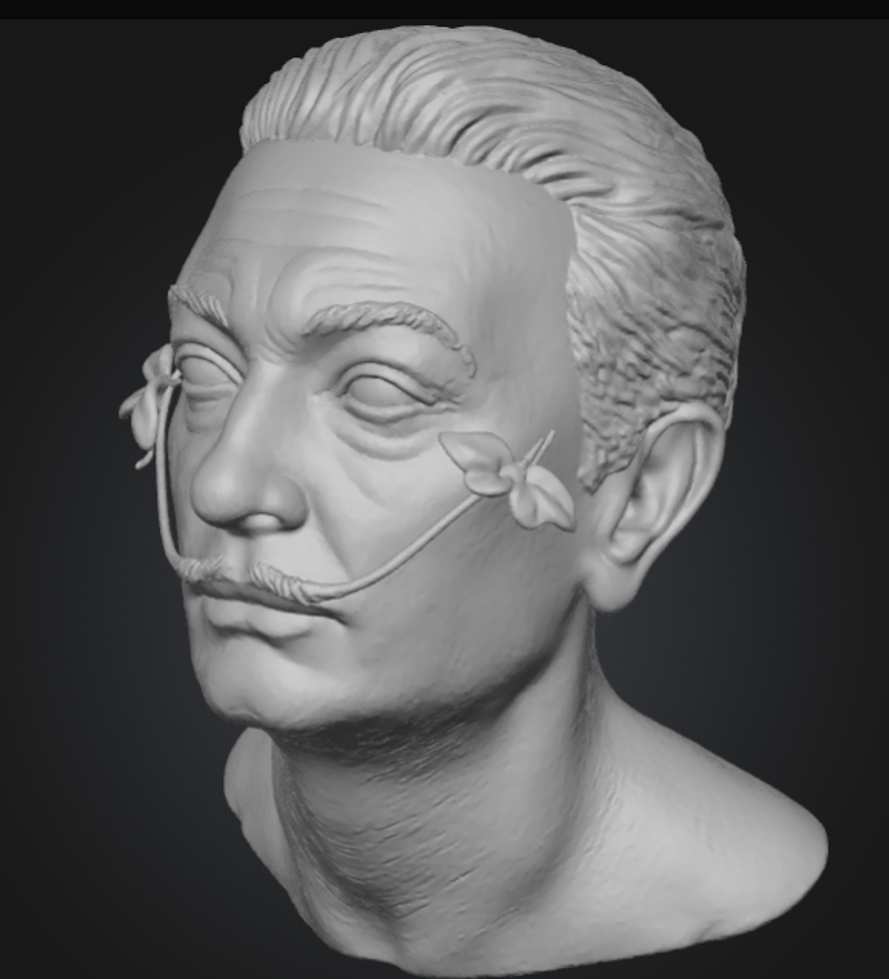
La mostra “L’Arte al Tatto: dal Dipinto alla Scultura con l’Intelligenza Artificiale” è composta da 15 autoritratti tridimensionali tattili di personaggi famosi, completi di audiodescrizioni e pronti per essere esposti in mostre inclusive.
Il primo step è stato trasformare i dipinti in tavolette tattili: un software analizzava luci e ombre, traducendo i volumi in bassorilievi. Mancava però la profondità e la possibilità di girare attorno a un volto, di percepirne la forma completa. Con il tempo, la ricerca ha incontrato le possibilità dell’intelligenza artificiale, che oggi permette un salto qualitativo decisivo. Dal 2D si passa infatti al 3D: l’AI interpreta un autoritratto di Van Gogh, un dipinto di Leonardo, un volto di Frida Kahlo, e ne crea una scultura tridimensionale, pronta per essere stampata e anche fresata per rimuovere il materiale in eccesso. Il risultato è un prototipo fisico, un’opera che si può toccare davvero, non la semplice interpretazione tattile di una superficie.
Il busto di Salvador Dalí, ad esempio, ha richiesto 13 ore di stampa e circa 30 metri di PLA. Accanto agli artisti, ci saranno anche personaggi di scienza e dello sport: Marie Curie, Newton, Sofia Raffaeli, Roger Federer. Ogni scultura ha una sua personalità, ogni superficie una storia da raccontare al tatto.
Obiettivi
L’idea di sviluppare un viaggio nell’arte accessibile è nata quattro anni fa, quando le docenti Laura Polo e Susanna De Maron hanno iniziato a cercare un modo per rendere accessibili le opere d’arte anche alle persone con disabilità visiva nell’ambito di Capolavoro per Lecco.
Il progetto ha coinvolto inoltre studenti universitari, appartenenti ai corsi di laurea Triennale IPI – Ingegneria della Produzione Industriale e Interaction Design e Laurea Magistrale in Ingegneria Meccanica track Sport and Engineering, e studenti delle medie si sono cimentati nel laboratorio di esplorazione tecnica e creativa che racchiude, oltre all’aspetto educativo-scolastico volto a sviluppare nuove conoscenze e competenze, anche un importante impegno sociale.
Tra modellazione tridimensionale, stampa additiva e realtà aumentata, i ragazzi hanno scoperto come si prepara un file per la stampa 3D, come si riconoscono errori e imperfezioni nel modello, come funziona la fase di estrusione e quali materiali vengono utilizzati, come una scultura nasce letteralmente da una fotografia reperita online, trasformata prima in un prototipo digitale, poi in un oggetto fisico.
Strumenti e tecnologie utilizzate
L’arte prende forma in un esagono di PLA (materiale impiegato per la stampa 3D), cresce e nasce da un’immagine 2D che l’intelligenza artificiale ha convertito in una scultura tridimensionale, permettendo di “leggerla” con le mani.
In una fase di sviluppo futuro si potranno ascoltare, tramite QR code posizionato vicino alla scultura e accessibile attraverso un’app in fase di sviluppo, le audiodescrizioni delle opere realizzate dagli studenti, brevi racconti di massimo tre minuti che guidano il visitatore nella scoperta del personaggio e nella lettura tattile dell’opera. Inoltre, si attiverà automaticamente un ambiente di realtà aumentata: la testa del personaggio apparirà sullo schermo, a colori e ruotabile, insieme all’audio dedicato. Una tecnologia che integra voce, tatto e immagine, trasformando l’opera in un’esperienza multisensoriale che nasce da una fotografia scelta dagli studenti e viene rielaborata tramite AI.
Credits
L’Arte al Tatto: dal Dipinto alla Scultura con l’Intelligenza Artificiale è un progetto del gruppo di ricerca Virtual Prototyping and Augmented Reality Lab del Politecnico di Milano.